
The Data Center Pause Before the Buildout
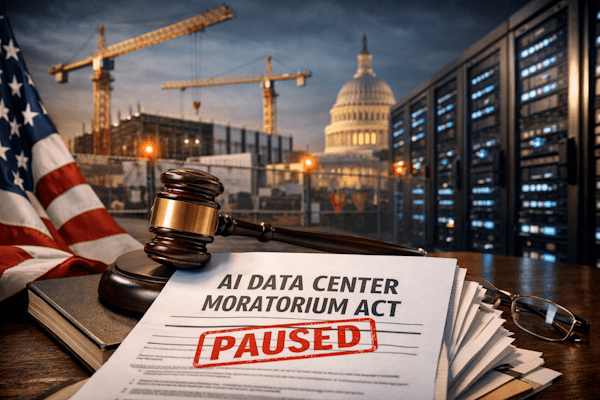
A new bill from Sen. Bernie Sanders and Rep. Alexandria Ocasio-Cortez would halt the construction of new AI data centers until Congress enacts national AI safeguards. The proposal is unlikely to become law soon, but it has become an important marker in the fight over how fast the United States should build the infrastructure behind artificial intelligence.
Vertical AI

Agentic Artificial Intelligence (Agentic AI) and multimodal models are moving from general chat tools into industry-specific platforms. The next wave is being built around execution: systems that can read documents, interpret images, process voice or sensor inputs, and act across business workflows in finance, healthcare, logistics, and manufacturing.
AI ROI

Boards are moving past AI enthusiasm and asking harder questions: Which use cases improve margins, which controls reduce risk, and which deployments can scale without creating compliance or security problems? The new mandate is not more pilots, but measurable business value under disciplined governance.
White House AI Blueprint

The White House has released a new legislative framework for artificial intelligence that favors national standards, lighter-touch regulation, and faster infrastructure buildout. The proposal puts federal preemption, child protection, workforce training, and AI competitiveness at the center of the next policy fight in Washington.
AI Moves Into Core Operations as Enterprises Rework How People and Processes Function

Recent survey data shows that artificial intelligence is no longer confined to isolated pilots. Across industries, organizations are shifting toward operational deployment, workflow redesign, and employee augmentation, though enterprise-wide transformation still trails adoption.
Why AI Agents Are Becoming the Next Operating Layer for Enterprise Efficiency
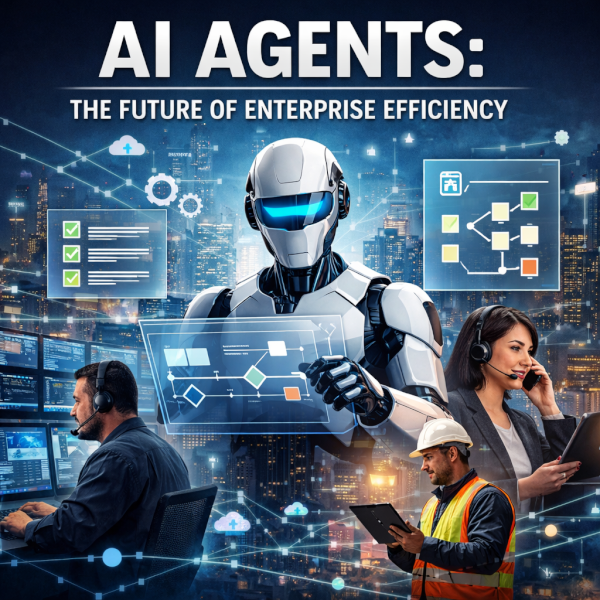
AI agents are shifting enterprise automation from “assistance” to execution, triaging work, coordinating handoffs, and completing governed tasks across service, IT, and operations. The strongest early results are emerging from organizations that deploy agents with clear return-on-investment targets, permissions, and audit controls, rather than treating agentic AI as a standalone experiment.
Fragmented Decision-Making, Not Data Scarcity, Is Undermining Critical Infrastructure Resilience
Critical infrastructure organizations increasingly possess vast amounts of operational data, yet their ability to translate it into decisive, coordinated action falters. Experts now contend that fragmented decision-making—marked by siloed domains, disjointed governance, and insufficient interoperability—poses a greater risk to resilience and security than the mere absence of data.
Generative AI and Agent-Based CX Frameworks Reshape Digital Care in Telecom

Telecommunications providers are redesigning customer experience frameworks around generative AI and autonomous agents, shifting from reactive support models to intent-driven, automated digital care as networks and services grow more complex.
AI-Enhanced Spectrum Management and Interference Mitigation Tools Emerge
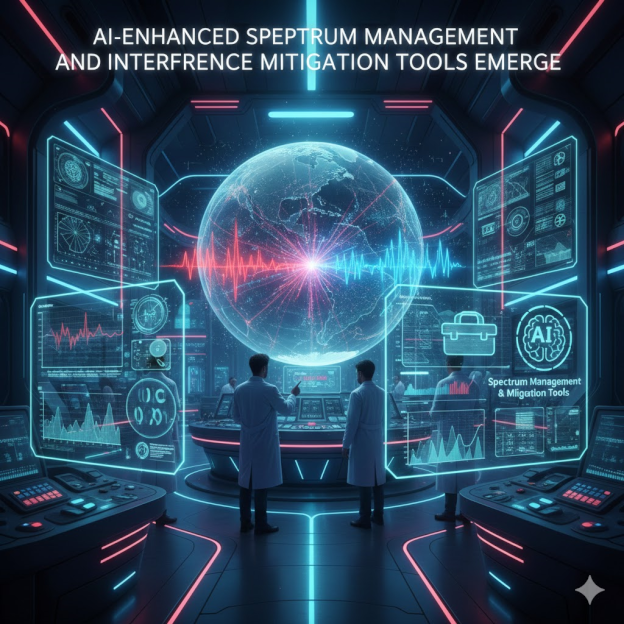
Artificial intelligence is reshaping spectrum operations as carriers and regulators face rising demand for mid-band and high-band frequencies. Advanced sensing models, real-time classifiers, and data-driven interference mitigation frameworks are emerging as critical tools for telecom operators navigating increasingly congested RF environments.
AI-Enabled Customer Experience Platforms Reshape Telco Support Channels

Telecom companies are swiftly upgrading their customer care operations with AI-powered support platforms that leverage predictive churn models, real-time service verification, automated triage, and personalized recommendation engines. These advances are lowering call volumes, reducing truck rolls, and reshaping how providers deliver service and support.